
Hotel renovations are becoming increasingly critical as properties work to stay competitive and meet rising guest expectations. Hotel Business spoke with Lisa A. Haude, principal, interior design, Studio RYS, about how strategic updates can redefine brand identity, improve operations and deliver high-impact results, even with limited budgets.
Renovations often get pushed down the priority list in hotel budgets. Why does that happen and what risks does it create for a property in a competitive market?

Renovations often fall low on the priority list in hotel budgets, and it’s rarely due to a lack of awareness. Most owners know updates are essential, but several financial and market pressures make it difficult to move them forward:
- Financial constraints: Many properties are still navigating the long tail of pandemic-era financial strain. Lower occupancy, reduced revenue and higher borrowing costs have made capital improvements harder to justify. When financing becomes expensive or difficult to secure, renovation ROI feels less attainable, causing projects to be delayed year after year.
- Market uncertainty: The hospitality industry is highly sensitive to external forces—interest rates, tariffs, supply-chain disruptions and fuel costs all influence construction, pricing and timelines. When the market feels unpredictable, owners often choose to wait rather than invest.
- The risk of waiting too long: Today’s guests have higher expectations. They’re discerning, quick to share feedback and deeply influenced by design, comfort and brand consistency. When renovations are continually postponed, properties risk falling behind competitors, losing brand recognition, receiving lower guest satisfaction scores, face higher long-term repair costs and struggle to maintain market relevance. In this competitive landscape, delaying improvements can do more than just pause progress, it can weaken a property’s position in the market.
When an owner decides it’s time for a major renovation, what should they be thinking about beyond simply updating the look of the hotel?
When owners decide it’s time for a major update, the most impactful projects are those that strengthen long-term value, elevate the guest experience and position the hotel competitively for the future. A renovation is an opportunity to reassess where the property stands in its competitive set. Strategic upgrades can significantly improve both revenue potential and resale value, and this evaluation should consider how the hotel compares to nearby or like-kind properties, whether current guest expectations are being met and what enhancements could elevate market positioning or attract new segments.
Renovations are also the ideal moment to invest in improvements that reduce long-term operating costs and enhance guest comfort. This may include updating plumbing, HVAC or electrical systems, integrating smart-room or building-management technology, and selecting materials and fixtures that improve sustainability and durability. These upgrades often pay for themselves through reduced utility costs and smoother operations.
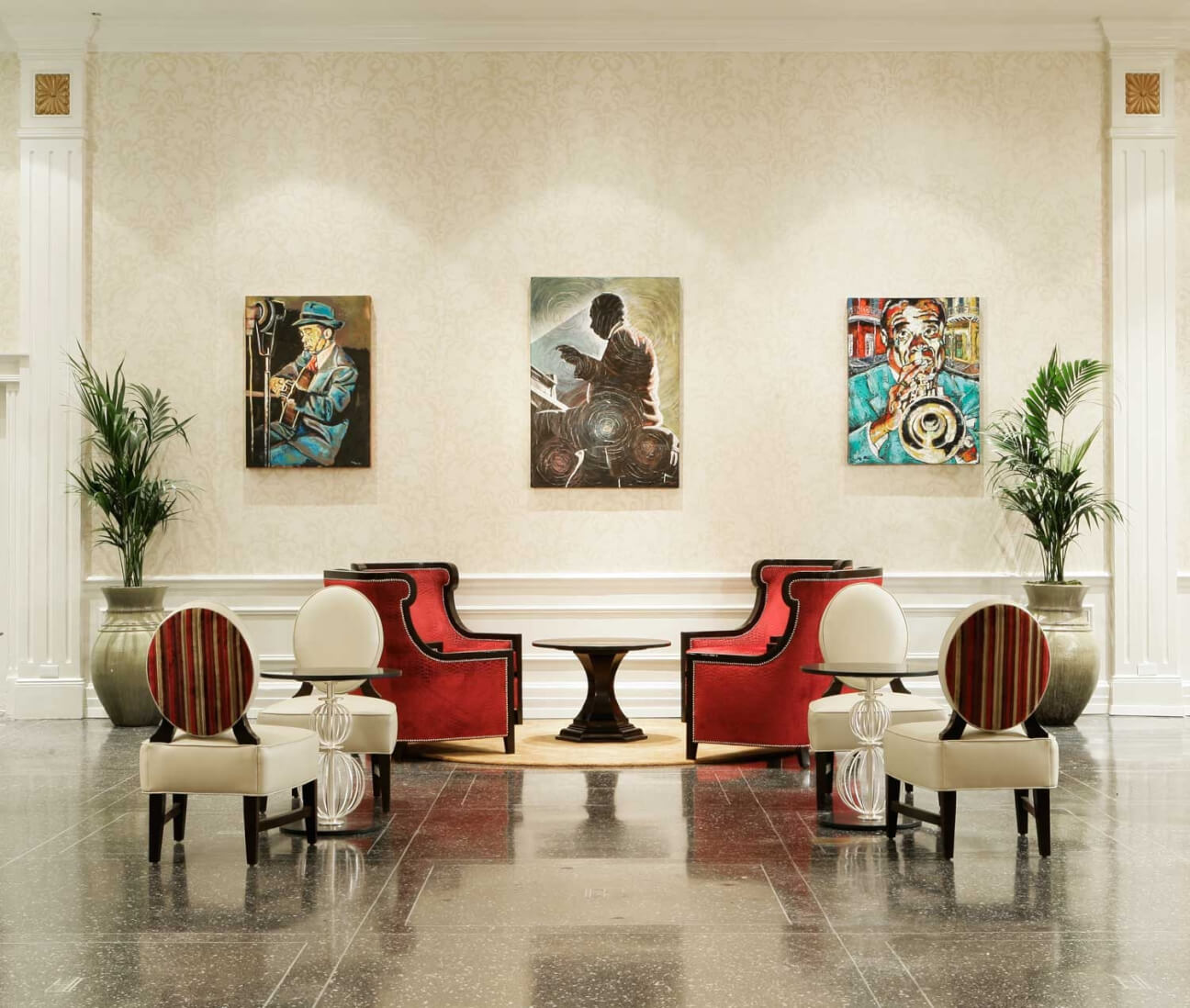
Beyond finishes, owners should consider how the building functions. This can include reconfiguring guestrooms to better align with traveler needs; redesigning lobbies, lounges or F&B spaces to reflect current trends; and improving circulation, accessibility and overall guest flow. Thoughtful space planning can dramatically improve both guest satisfaction and operational efficiency. For properties with historical significance, renovation considerations should balance preservation with modernization. This includes restoring original architectural details; updating key areas while maintaining the building’s character; and integrating modern amenities in a way that respects the property’s heritage to protect the hotel’s identity while ensuring it remains relevant and competitive. At Roosevelt New Orleans, a Waldorf Astoria Hotel, our team worked to preserve the property’s treasured architectural character—reflecting its origins in 1893 and 1908—while thoughtfully updating it for the modern era. We took special care to ensure that new interior design selections and furnishings harmonized with and enhanced the building’s historic features. Every modern necessity was integrated with sensitivity, avoiding any visual intrusion or physical impact on the unique elements that define the hotel’s legacy.
How can a comprehensive renovation help redefine or reintroduce a hotel’s brand identity?
A major renovation allows for repositioning a property, strengthening its market presence and creating a guest experience that fully embodies the brand’s values, telling a clearer story about who it serves and what it stands for. For example, a renovation can elevate a hotel into a new tier, support a rebrand or introduce amenities that shift its market appeal. Whether adding a spa, expanding meeting spaces or increasing room count, these enhancements can attract new guest segments, strengthen brand consistency, improve competitive standing and create a fresh, compelling identity in the market.
Hospitality is a highly saturated market, and strategic design can become a key brand differentiator. This can be achieved through introducing a unique design narrative, updated, high-performing spaces and a forward-thinking aesthetic that signals relevance and quality. This positions the property as a leader rather than a follower, which is an essential advantage in markets where guests have endless options.
Renovations also allow owners to tailor the property to the guests they want to attract. For instance, wellness-focused travelers respond to spas, fitness centers and biophilic design, while families value suites, kid-friendly amenities and flexible spaces, and business travelers look for tech-forward rooms and efficient meeting areas. Strategic refreshes can be a powerful tool for shaping demand and strengthening brand alignment. Likewise, a well‑crafted brand narrative can transform a property into a place with meaning. This comes to life through thoughtful design upgrades that reflect local culture or history, celebrate the building’s architectural character, and create an authentic, memorable sense of place. When these elements work together, they build emotional resonance—turning guests into advocates and fostering long‑term loyalty.
Guest expectations continue to evolve. How is that shaping the way hotels approach renovations today?
Today’s travelers aren’t just looking for a place to stay; they’re seeking environments that feel intuitive, elevated and aligned with the way they live, work and unwind. As a result, renovations have become more holistic, more strategic, and far more focused on experience than aesthetics alone.
Guests expect seamless, memorable experiences from the moment they arrive, which is why intuitive room layouts, thoughtful amenities, multi‑functional public spaces and design that reflects the brand’s personality should be central considerations in any refresh.
Travelers are also increasingly prioritizing convenience and control, which should put smart-room features, mobile check-in/out, upgraded WiFi, in-room tech and energy-efficient systems that improve comfort at the top of your list.
Better acoustics and lighting, enhanced air quality, spa‑like bathrooms, fitness and wellness amenities, sustainable materials, water‑saving fixtures and environments that support rest, health and balance all respond to guests’ growing prioritization of wellness and sustainability. We leaned into these expectations during the renovation of guestrooms, suites, public spaces and corridors at the Marriott Kansas City Airport. The refresh included removing walls to create a seamless view from the front door to a new wall of full‑height windows overlooking the lake, as well as introducing a see-through stairwell that brings additional natural light, openness and views into the lobby. Together, these changes allow guests and staff to benefit from biophilic design, strengthening the connection between the interior environment and the surrounding landscape.

Integrating regional materials, local art and storytelling, and design elements that reflect the building’s history supports guests’ preference for spaces that feel connected to the locale.
The introduction of multi-use public areas, flexible meeting rooms, and suites designed for productivity and comfort, in turn, caters to the need for spaces that adapt to different needs, including work, relaxation and socializing.
Not every owner can take on a full-scale overhaul. If budgets are tight, where should hotels focus to get the biggest impact?
Not every property can take on a full-scale renovation, but even with limited resources, hotels can make strategic updates that deliver meaningful impacts. The key is to prioritize improvements that elevate guest experiences, strengthen brand perception and support long-term operational efficiency.
Are there particular areas of the hotel that tend to deliver the most noticeable improvement when they’re refreshed?
Guests form their first impressions in the spaces they encounter most often. Updating these areas can dramatically elevate perceived quality without requiring a full overhaul. This includes high‑touch zones such as lobbies, reception areas, corridors, elevator lobbies and key public spaces like lounges and breakfast areas. Guestrooms should also be prioritized by refreshing bedding and soft goods, upgrading lighting and window treatments, and modernizing bathroom fixtures and vanities. Even simple updates—fresh finishes, thoughtful furnishings and improved functionality—can make a space feel renewed, intentional and aligned with the guest experience today’s travelers expect.
What are some smart ways to modernize guestrooms or public spaces without the cost and disruption of a full renovation?
- New bedding, window treatment, pillows and upholstery will instantly modernize any room. Updated textures and color palettes can shift the entire feel of a space without construction.
- Lighting is one of the most transformative tools you have. Consider retrofitting lighting to warm LED bulbs, modernizing bedside fixtures, providing layered lighting in public spaces and adding accent lighting to highlight key architectural features for interest.
- Curated art is a way to provide local storytelling and update a space with a refreshed identity.
- Repaint walls, refinish millwork or update outdated countertops.
- Bathrooms heavily influence guest satisfaction, and some high-impact updates could include new mirrors, modern faucets, fixtures and updated lighting.
What are the most common mistakes owners make when planning a renovation?
Renovations are major investments, and even well-intentioned projects can fall short if the planning is not thoughtful and strategic. For example, focusing on aesthetics only is a common misstep. While a new look is important, design without strategy will rarely deliver long-term value. Infrastructure needs, operational efficiencies, guest flow/functionality and technology are often overlooked in these instances, and renovations should enhance both the guest experience and the hotel’s performance.
Understanding budget and timing is also crucial. Renovations almost always cost more and take longer than expected, especially in older buildings. Common challenges include not accounting for hidden conditions, underestimating construction costs or potential delays (i.e. shipping, long lead times), and failing to build in a contingency within the budget. When paired with bringing in designers, architects and operators too late, it can lead to inefficient layouts, delayed timelines, missed opportunities for cost savings and design decisions that don’t support long-term goals. Early collaboration with your team leads to smarter, well-informed and integrated solutions.
Lastly, understanding what your competitors are offering, how your guests’ expectations have shifted and where your property sits in the market tier is key. A renovation offers you the opportunity to reposition the hotel, not just refresh it.
For owners who know their property needs updating but aren’t sure where to start, what is the first step you recommend?
The first step is to create a comprehensive property assessment grounded in guest experience, market position, and operational needs. This creates clarity, removes guesswork and ensures every dollar invested supports long-term value.
- Start with a holistic property evaluation. Before the first sketch or selection is made, owners should understand how the property is currently performing, what their guests are currently saying about it (good and bad), how it compares to their competitors and what areas of the property are aging the fastest.
- Identify the gaps between the current state and the desired position. A renovation should support where the property wants to be in the market, and owners should clarify the brand identity they want to reinforce, the guests they want to attract and the experience they want to deliver.
- Prioritize high-impact/high-visibility areas. Once you understand your needs, you can then maximize your approach—even if the full renovation will be phased over time.
- Engage your design team as soon as possible. Partnering with designers and architects at the beginning will help you understand the true costs and timelines, explore creative solutions, build a phased plan and potentially avoid costly mistakes.