As guest expectations continue to evolve, economy hotel brands are finding new ways to enhance the stay without compromising affordability. Michael Sharp, VP of design, construction and procurement at Red Roof, discusses how the company is modernizing its hotels through thoughtful, value-driven design, balancing guest comfort with operational efficiency while preparing for the next generation of traveler expectations.
Economy hotels have traditionally been viewed as functional rather than experiential. How have guest expectations changed, and how is that influencing design decisions today?

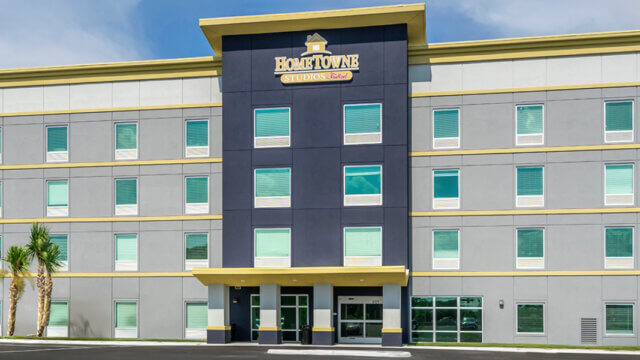
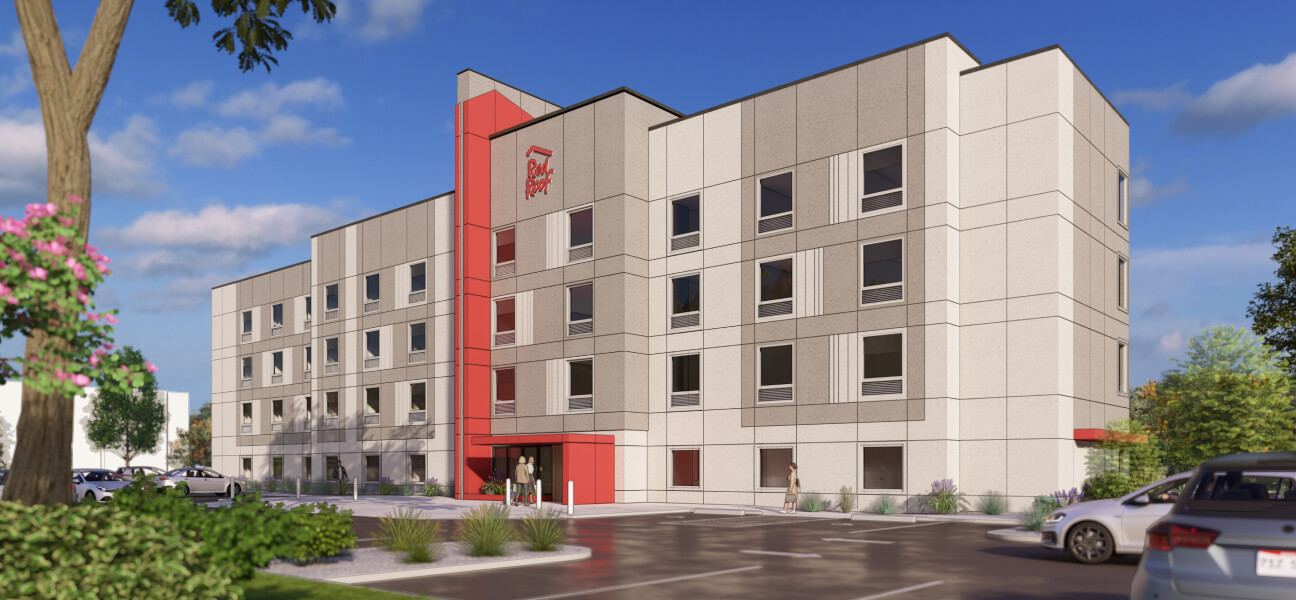
Red Roof’s guests are motivated by value, as are our franchisees. With this in mind, we value-engineered our casegoods package for both Red Roof and HomeTowne Studios, removing all unneeded drawers and doors from guestrooms. The new open cubbies look modern, are less likely to get damaged, are easier for the cleaning staff to access and prevent guests from leaving items behind. This provides comfort and convenience for guests, as well as cost and operational efficiency for franchisees.
What are some of the most significant ways Red Roof is rethinking or modernizing the traditional economy hotel experience through design?
We have embraced a design centered on “greige,” a blend of gray and beige, in guestrooms, rather than the red walls found throughout our public areas. This scheme was rolled out in 2019 on the heels of greige’s rise to popularity in the residential design space. These calming, neutral tones can be found throughout the residential market, and bringing this familiar tone into our guestrooms allowed that same neutral feeling to be evoked within our properties.
How do you balance creating a contemporary, appealing guest experience while maintaining the affordability that is central to the economy segment?
Procurement of reliable, affordable amenities is key to delivering an appealing guest experience. The Red Roof procurement platform includes a growing list of more than 100 vendors, all vetted for best price, quality and service levels. This allows our franchisees to have options for each product and choose the program that works best for their property.
What design elements have had the biggest impact on guest satisfaction and overall perception of the brand?
We’ve seen several design elements impact guest satisfaction and brand perception. One example is Red Roof’s traditional faux-wood flooring. This modern design element makes the guestroom easier to clean and has led to increased guest satisfaction scores. Wood floors are even more important for a pet-friendly brand because they keep our guestrooms looking and smelling clean. In the economy segment, delivering the essentials well is often what makes or breaks the guest experience.
How do design decisions support both the guest experience and operational efficiency for owners and operators?
Our team is always looking for ways to improve room layout and construction using thoughtful touches. For example, floating side tables are useful in the guestroom because they make it easier to clean the floor and reduce time spent preparing the room for the next guest. This approach to design helps save on labor and time when paired with HomeTowne Studios’ reduced open lobby hours, optional lobby coffee and less frequent housekeeping. Red Roof also works directly with approved vendors to make ordering supplies and replacement furniture easier. Q&A Hospitality serves as our Room-In-A-Box vendor and can source everything needed to renovate or convert a hotel into a Red Roof. This arrangement gives owners peace of mind, knowing they can easily and reliably access everything they need without managing a large number of separate vendors.
Looking ahead, what aspects of traditional economy hotel design do you think will change the most over the next five years?
Trends in the hospitality industry typically trickle down from the upscale and luxury space to other segments, eventually influencing the economy segment in some way. Some of the trends we are watching develop in upscale hotels include a focus on wellness. As guests continue to desire these amenities, they will eventually infiltrate the rest of the hotel industry as they become more accessible. Outside of the design space, personalization is also about to take a leap forward thanks to AI-powered technology, which is spreading across all segments. Red Roof’s partnerships with organizations such as Milestone Inc., Sojern, ibex, and Zeta Global are innovating our approach to personalization, guest communications, and marketing by leveraging AI-powered technology. How these trends will adjust the way we design our hotels remains to be seen, but their impact can already be felt across the industry.