As travelers place greater emphasis on experiences, atmosphere is becoming a critical factor in how hotels attract guests, build loyalty and drive revenue.
According to new research from Mood Media, more than 70% of hotel guests say atmosphere and sensory elements—including music, lighting, scent and digital design—play a significant role in creating a memorable stay. The findings suggest that immersive environments are increasingly influencing booking decisions, guest behavior and spending patterns.
“Atmosphere is now ranked above food, service and price for consumers when choosing a hotel,” said Kevin Jones, VP, hospitality, Mood Media. “Guests are becoming more discerning and intentional with their hotel bookings, looking for experiences that offer far more than the basics.”
Jones said travelers are seeking sensory-rich stays that reflect their interests and personalities, creating new opportunities for hotels to differentiate themselves. Mood Media’s research found that 38% of consumers say an immersive ambiance increases a hotel’s appeal, while 41% are attracted to personalized experiences.
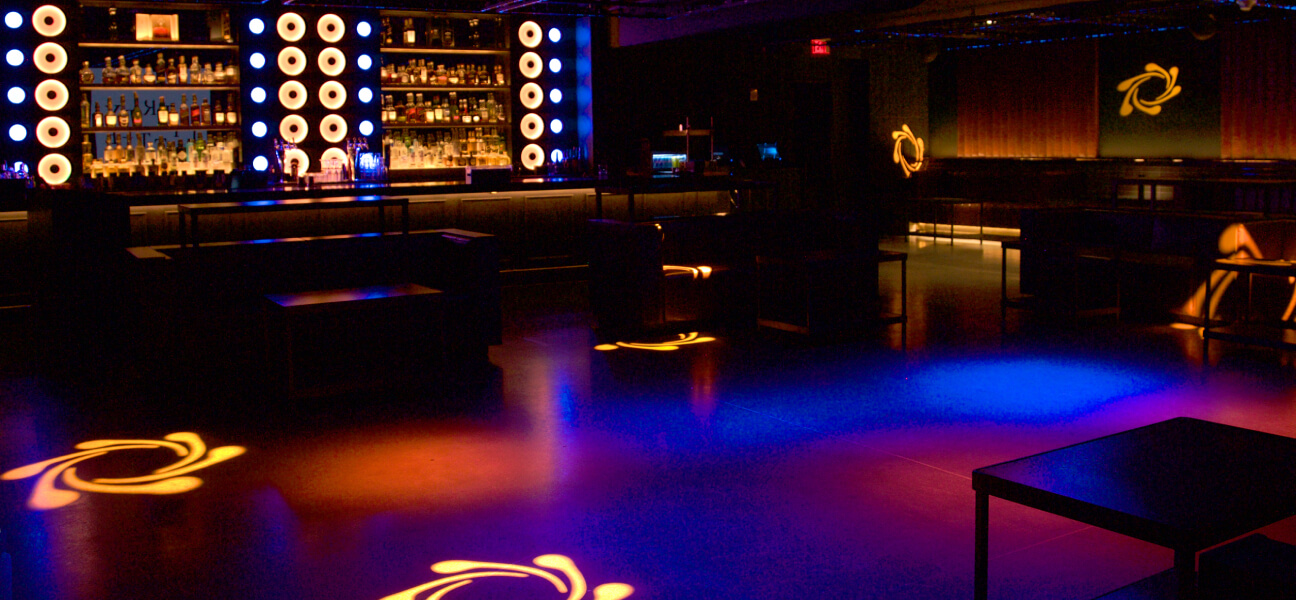
He shared Dream Hotel Nashville, which spans 11 venues including restaurants, bars, a boutique, private event spaces and an upscale nightclub, as an example of a hotel offering this immersive ambiance. The property uses customized audiovisual experiences throughout its various venues, creating distinct environments while maintaining a cohesive brand identity.
Mood Media partnered with Bose Professional to design audio systems tailored to each space. Restaurants and bars feature integrated sound systems capable of supporting live performances and DJs, while digital displays throughout the property showcase live television, artwork and branded content. In the hotel’s “Dirty Little Secret” venue, lighting installations, video walls and immersive audio systems contribute to a nightclub experience designed to extend guest engagement.
The impact of these sensory elements extends beyond aesthetics, according to Jones. “Music is one of the most powerful sensory elements, able to communicate the emotional tone of a space as soon as the guest enters,” he said.
Mood Media’s research found that 40% of Millennial and Gen X consumers have extended a hotel stay because of an appealing atmosphere. Additionally, 30% of respondents in those generations said a memorable hospitality experience inspired them to post about it on social media.
Jones noted that sensory experiences can also have a direct effect on hotel revenue. Research conducted by the company found that sensory elements that improve relaxation and increase dwell time by 30 minutes can generate a 12% increase in food-and-beverage spending.
While technology plays an important role in creating immersive environments, Jones said successful implementations balance digital tools with the human side of hospitality. “In the past, personalization has been seen as a luxury but it’s increasingly becoming a necessity,” he said.
Examples include digital signage that delivers targeted promotions, interactive tablets that allow guests to customize lighting preferences and in-room scent programs that can be tailored to individual tastes.
Hotels are also using sensory design to strengthen brand identity. Jones pointed to scent as a particularly effective tool because of its connection to memory and emotional recall, helping guests build lasting associations with a property or brand.
Looking ahead, Jones expects advances in AI to further personalize hospitality experiences. He envisions environments where lighting, audio and visual elements adapt automatically based on guest preferences and real-time data.
At the same time, he said many hoteliers remain focused on operational efficiency and revenue growth. Sensory technologies can support both goals by increasing guest engagement, encouraging upsells, streamlining communications and enhancing common spaces without adding labor costs.
“Creating a cohesive sensory environment while also curating bespoke spaces that feel distinct yet on-brand requires strategic planning and intentional innovation,” said Jones. “However, it’s worth the hard work, resulting in a true destination hotel.”