Something significant is happening in how people spend. With the cost of living increasing at an almost unreachable rate, travelers aren’t necessarily spending less; they’re spending with far more intention. Luxury has become aspirational again as guests are choosing fewer, more elevated experiences that feel emotionally rewarding, exclusive and genuinely worth remembering. And if a hotel doesn’t clear that bar, they’ll simply stay home.
This is the “splurge or stay home” mindset, and it’s reshaping how hotels need to think about everything — from design and FF&E investment to operations and guest experience strategy.
What’s driving the shift
Economic pressure is the obvious driver, but it’s not the only one. Social media and lifestyle branding have raised the stakes for what a hospitality experience is supposed to look and feel like. Guests increasingly view travel not just as a vacation but as a lifestyle investment tied to wellness, status and personal fulfillment.
I’m also seeing a growing desire to disconnect from overstimulation, urban burnout and the relentlessness of everyday life. Wellness-focused hospitality, agritourism, slower travel, and nature-driven destinations are all gaining momentum. Trends around proactive health, recovery, mindful movement and healthy eating are no longer niche; they’re directly influencing hospitality expectations. Brands like Soho House expanding into wellness retreats reflect a broader market trend in which hospitality, wellness and lifestyle are becoming increasingly intertwined.
What guests actually want
Today’s guests are extraordinarily design-aware, and authenticity matters more than ever. They want environments that feel well-considered and difficult to replicate at home, which include spaces with layered textures, natural materials, healthier finishes, thoughtful lighting quality and a genuine sense of curation.
Beyond design, guests are seeking access, exclusivity and personalization. Status-driven perks—concierge-level service, premium lounge access, loyalty upgrades and meaningful personalization—are increasingly part of the value equation. These aren’t nice-to-haves for a certain segment of travelers; they’re becoming baseline expectations for anyone choosing to splurge.
But thoughtful design and premium perks alone aren’t enough. Great hospitality—the kind that can’t be automated—is increasingly the differentiator. Leave the welcome note. Offer tea at check-in. The smallest gesture of personalization will carry more weight as more of daily life feels auto generated. In a world where AI is handling more and more touchpoints, genuine human attentiveness has become a luxury in itself.
One thing hospitality brands should be paying close attention to right now is the growing frustration around hidden fees. During a time of economic pressure, guests are increasingly resistant to anything that feels like a money grab—daily resort fees, astronomical parking cost and $8 bottles of water. They can also spot the algorithm-driven pricing and loyalty programs that seem designed to maximize spend rather than genuinely reward them. One of the fastest ways to show guests you value their experience is by removing those friction points entirely.
Where to invest—and where to be strategic
Not every area of a property requires the same level of investment, but the areas that drive guest perception deserve disproportionate attention. The arrival moment deserves special focus because it sets the emotional tone for the entire stay and is one of the highest-impact investments a property can make. A signature F&B environment, an outdoor lounge and guestrooms that feel restorative rather than merely decorative round out the touchpoints most likely to generate word-of-mouth, social visibility and return visits.
In recent projects, we’ve seen growing demand for repositioning work where owners want to elevate without committing to full-scale renovation. The most effective approaches have focused on activating underutilized public spaces, improving outdoor programming, introducing residential-style furnishings and creating dining environments that are visually distinctive and operationally sound. Clients are prioritizing spaces that photograph well while still functioning on a daily basis because social visibility is now part of the ROI calculation.
From an FF&E perspective, this means making design decisions that serve both operational goals and guest expectations, and that means prioritizing healthier materials, quality lighting, nature integration, flexibility and durability over trend-chasing. A common and costly mistake is investing heavily in aesthetics without considering longevity, comfort or operational practicality. Poor acoustics, uncomfortable furniture or inadequate lighting can quickly undermine even a well-designed property. But perhaps the most damaging mistake of all is inconsistency, and that includes overpromising in marketing imagery and underdelivering in person. Guests notice immediately, and in the age of review platforms and social media, the gap between expectation and reality is very difficult to recover from.
Looking ahead
Over the next two to three years, the hotels that compete most effectively for premium discretionary spend will be the ones that create emotionally binding experiences. Guests are gravitating toward properties that feel authentic, well-curated and experience-rich. Wellness programming, outdoor activation, strong F&B identity and thoughtful technology integration will continue to matter, but so will operational adaptability and the ability to deliver consistently on what you promise.
The “splurge or stay home” guest isn’t going anywhere. The question is whether your property gives them a reason to choose you.
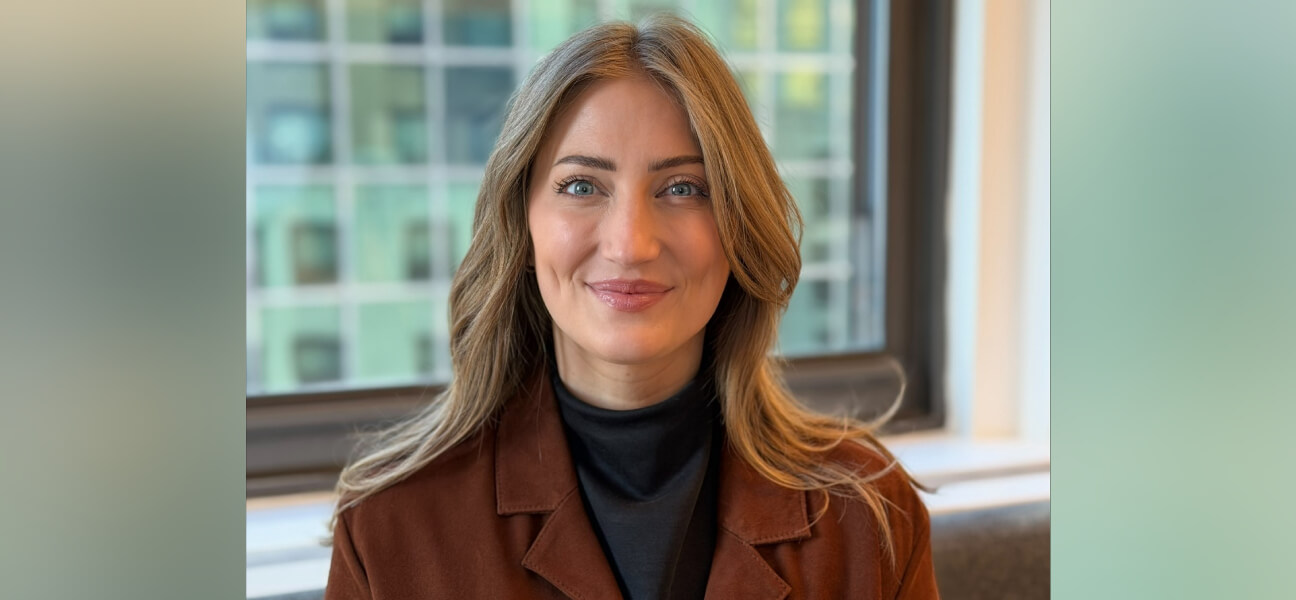
Hayley Pernsteiner is director of hospitality at Empire & Co., a national commercial furniture and interior solutions firm with over 80 years of experience. She leads the firm’s hospitality division, guiding projects where operational performance meets experiential impact.
This is a contributed piece to Hotel Business, authored by an industry professional. The thoughts expressed are the perspective of the bylined individual.