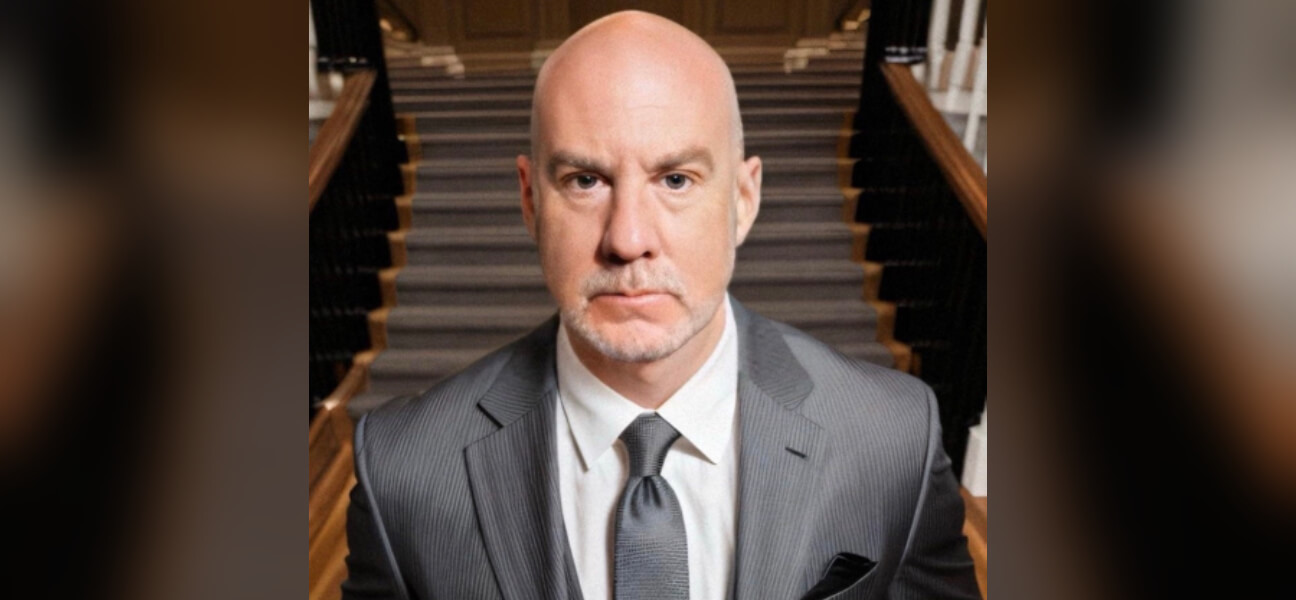
By Andrew Paul
For many hotel operators, OTA reliance is viewed as a distribution challenge—something to be managed through rate strategy, channel mix or marketing spend.
In reality, OTA dependence is something far more consequential. It is a margin structure. And until it is treated as such, most attempts to reduce it will remain incremental at best.
The common misdiagnosis
When OTA share increases, the instinctive response is tactical:
- Increase direct booking incentives
- Add promotional campaigns
- Shift budget toward paid media
- Push loyalty enrollment
These efforts may produce short-term gains, but they rarely change the underlying economics. That’s because the issue is not visibility or conversion. It is ownership of demand.
OTAs do not simply facilitate bookings—they control discovery, influence decision-making and retain the customer relationship. Each transaction strengthens their position while weakening the hotel’s ability to influence the next one.
Over time, this creates a compounding effect:
- Demand is acquired externally
- Commission reduces margin
- Guests rebook through intermediaries
- Costs rise to maintain volume
- Profitability compresses
At that point, the problem is no longer tactical. It is structural.
Why discounting accelerates the problem
Discounting is often used as a lever to reclaim demand, but it frequently produces the opposite result. Lower rates signal price sensitivity to distribution platforms and train guests to wait for incentives. Over time, visibility becomes increasingly dependent on price rather than brand preference.
The result is a feedback loop:
- Lower rates lead to higher OTA reliance
- Higher OTA reliance increases acquisition cost
- Higher acquisition cost pressures margins
- Margins drive further discounting
- This cycle is difficult to escape once it becomes embedded.
The real question hotels must answer
The more important question is not: “How do we reduce OTA share?”
It is: “Who owns the guest relationship before the booking occurs?”
Hotels that control demand upstream operate under a fundamentally different economic model. They are not forced to reacquire the same guest repeatedly. They are not dependent on discounting to remain visible. And they are not competing solely on price.
A deeper examination of how this shift works in practice—and why ownership of guest relationships changes long-term profitability—is explored in this analysis on how luxury resorts reduce OTA dependence through direct guest engagement and lifecycle strategy.
What high-performing hotels do differently
Hotels that successfully reduce OTA reliance tend to share several characteristics:
- They treat guest relationships as long-term assets
- They prioritize repeat demand over transactional acquisition
- They separate demand creation from discounting
- They invest in channels they control rather than rent
- They measure success over quarters, not weeks
Most importantly, they recognize that distribution is not a marketing tactic—it is a business model decision.
Final thought
OTAs will always play a role in hospitality. They provide reach, convenience and exposure. But when they become the primary engine of demand, they quietly reshape a hotel’s economics in ways that are difficult to reverse.
The hotels that outperform over time are not the ones that fight OTAs the hardest. They are the ones that make themselves less dependent on them. And that begins with understanding that OTA dependence is not a channel issue. It is a margin structure.
Andrew Paul is managing director at Americas Great Resorts, where he focuses on email-driven strategies that help luxury hotels and resorts acquire and retain high-value guests, increase direct bookings and reduce dependence on OTA demand channels.