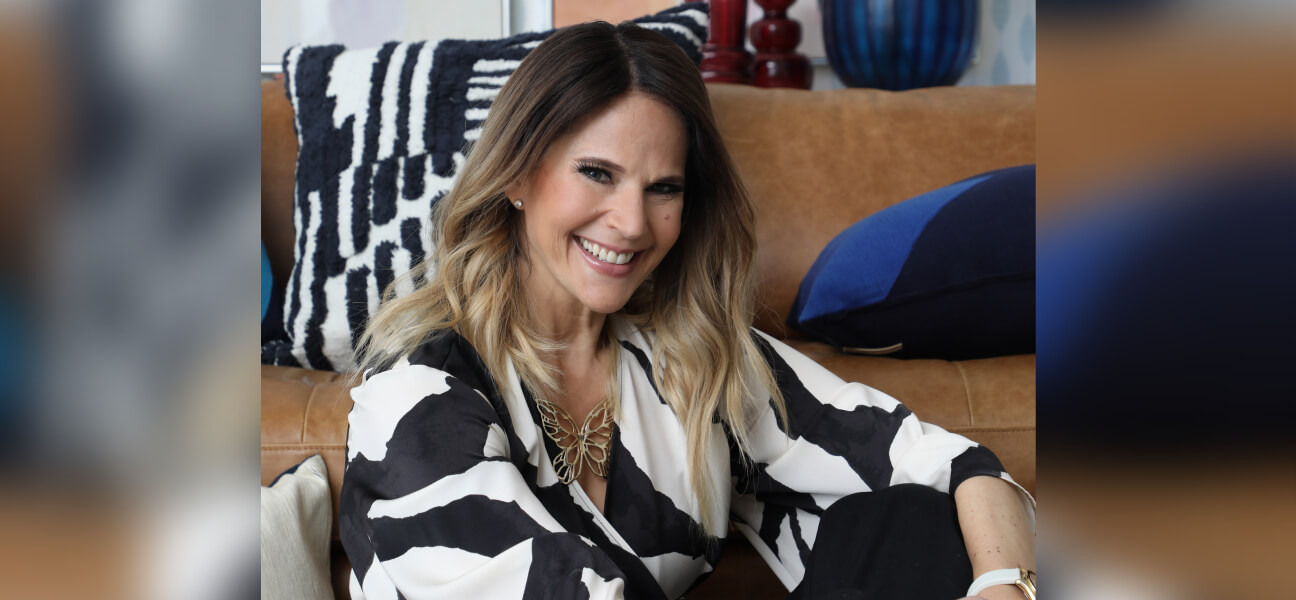
By Stacy Garcia
In May at HD Expo in Las Vegas, I had the chance to walk the show floor and connect with so many hotel designers, operators and brand leaders—all of us sharing one common goal: crafting experiences that not only look beautiful but perform better. A recurring theme in those conversations? Owners are hungry for differentiation, yet many are overlooking one of their most powerful levers: design.
I’ve spent over two decades helping global hospitality brands identify what’s next—from co-creating product collections to forecasting trends that shape guest expectations. And one thing I’ve learned? Design isn’t just about what’s “in style” or what photographs well. It’s a business strategy. Done right, design increases perceived value, enhances guest satisfaction, and—yes—directly impacts metrics like ADR and guest loyalty.
The psychology behind design choices
The first impression a guest has of your property starts long before check-in. Whether they’re scrolling through booking platforms or glancing at a hotel’s Instagram, visuals matter. However, the emotional impact of design goes beyond surface appeal. Color, lighting, spatial layout and texture all play into the psychology of how we feel—and how much we’re willing to pay.
Warm tones and soft lighting can evoke a sense of comfort and intimacy, while airy layouts and biophilic elements can spark energy and well-being. These details help shape a guest’s perception of quality, which in turn affects their willingness to pay more, stay longer or return.
Design becomes especially important in the luxury and lifestyle segments, where uniqueness and ambiance drive decision-making. In these spaces, guests aren’t just paying for a room—they’re paying for a feeling. A beautifully designed space creates a story that guests want to be part of. That’s where emotional resonance turns into brand loyalty.
Trend-forward, not trend-chasing
One question I often hear from hotel owners is: How do we stay current without becoming dated too quickly? It’s a valid concern. Not every trend deserves a line item in your renovation budget.
The key is distinguishing between a fad and a directional shift. For example, earthy neutrals and sustainable materials aren’t just having a moment—they’re part of a broader movement toward wellness and authenticity. Incorporating elements like natural finishes, calming palettes or textural layering can create a timeless, sensory-rich environment that aligns with long-term guest preferences.
On the flip side, bold patterns or ultra-specific color choices might make sense for a boutique lobby or restaurant, where the intent is to create a standout moment. But in guestrooms, flexibility and longevity are usually the smarter investment.
This balance highlights the importance of thoughtful trend forecasting. Understanding what’s emerging—and why it resonates—requires looking beyond aesthetics to broader influences, including social, political, technological and environmental factors that shape how people experience and interact with spaces.
Design with a return
The hospitality industry is understandably focused on ROI, but design is often treated as a sunk cost instead of a strategic investment. This is a missed opportunity.
Thoughtful FF&E selections can support operational efficiency, reduce maintenance needs and even boost employee morale. Meanwhile, hospitality design that evokes a sense of place or emotional connection tends to be more “Instagrammable,” which naturally feeds into organic marketing and word-of-mouth.
After a renovation or repositioning, the design narrative should extend to the way staff communicates about the property. Are the new interiors creating moments worth highlighting? Is the design story woven into the guest experience, or does it start and stop at the wallpaper?
Design is most effective when it’s integrated into the brand DNA. That’s how it becomes a competitive differentiator—not just a nice-to-have.
A smarter approach to change
You don’t need to gut your entire property to stay relevant. Sometimes it’s as simple as updating the art, refreshing the color palette or adding soft goods that reflect a more modern aesthetic. Swapping out a few signature pieces seasonally, like pillows or lighting, can create visual freshness without major costs.
I always recommend anchoring updates in three core values:
- Purpose – What feeling or function are you trying to enhance?
- Place – How can the design reflect your location and local culture?
- People – Who is your guest, and what do they care about right now?
Answering these questions will lead to smarter, more strategic design decisions that support your brand and bottom line.
As competition in hospitality heats up, it’s not enough to offer a clean room and a comfy bed. Guests are craving meaning, connection, and a little delight. Design—when rooted in strategy, not just style—has the power to deliver all three.
Stacy Garcia is founder/chief inspiration officer of Stacy Garcia Design Studio. She leads a team that crafts holistic collections that anticipate trends and enrich interiors across the hospitality industry.
This is a contributed piece to Hotel Business, authored by an industry professional. The thoughts expressed are the perspective of the bylined individual.