With the FIFA World Cup having kicked off across 11 U.S. host cities, the hospitality industry faces an unprecedented operational challenge. According to projections from the Customs and Border Protection agency, more than five million international visitors will travel to the U.S. for the tournament. While properties have spent months auditing bed capacities, adjusting room rates and optimizing supply chains, a fast-moving logistical hurdle threatens daily operations: the language barrier.
During a massive global sporting event, communication breakdowns are severe setbacks. When a guest and a front desk agent cannot understand one another, a 60-second check-in can turn into a ten-minute ordeal. This delay creates a domino effect where lines back up into the lobby, wait times increase and overall service delivery stalls.
To navigate this influx successfully, hoteliers must treat language access with the same operational gravity as traditional logistical challenges. A communication breakdown is just as disruptive to the guest experience as a shortage in bed capacity. Surviving the rush requires shifting away from outdated staffing models and adopting standalone translation technology as an infrastructure standard.
Meeting the modern traveler’s expectations
Today’s international travelers arrive with higher expectations for a seamless, frictionless experience than ever before. In a hyper-connected world, guests view effortless communication not as a premium amenity, but as a basic baseline of modern hospitality. They expect to navigate their stay with the same ease they experience when booking a flight or ordering a rideshare.
Ultimately, the responsibility falls on the hotel to bridge these gaps. When a property fails to enable clear communication, the guest experiences immediate friction, souring their perception of the brand. Proactively removing linguistic barriers signals respect, transforming a standard stay into an exceptional one. Meeting this modern standard requires a decentralized approach that empowers staff across every department.
Democratizing language access across the frontline
Historically, hotels have relied on a centralized approach to translation by routing all international guests to a handful of multilingual employees. While this model may work during normal occupancy cycles, it collapses under a massive international surge.
Relying on a few individuals creates operational friction. If your only fluent Spanish, Japanese or German speaker is tied up at the front desk, housekeeping workflows stall and dining service lags. Forcing select employees to carry the linguistic weight of an entire property leads to burnout during high-volume shifts.
Hotels must democratize language access by cross training the frontline. Every staff member, from bellhops to maintenance technicians, should be equipped to handle basic, multilingual guest interactions independently.
This is achievable through dedicated translation hardware. Instead of investing weeks in language instruction, managers can distribute standalone translation devices that require zero training. These handheld devices allow any employee to instantly speak, read and understand different languages at the touch of a button, distributing operational pressure evenly across the property.
Navigating cultural nuances and connectivity
The challenge of international hospitality extends far beyond literal translation. It requires navigating deep cultural differences. What is considered standard service or polite etiquette varies drastically from country to country. From the lobby to the restaurant floor and down to room service, these cultural variations can easily lead to misunderstandings, misaligned expectations or guest discomfort.
Whether it is dietary customs, tipping etiquette or communication styles regarding room preferences, minor misunderstandings quickly escalate into operational headaches when a language barrier is added to the mix. Having immediate access to accurate, real-time translation tools helps staff de-escalate these moments, clarify intent and ensure guests feel comfortable.
However, deploying these tools requires a realistic look at hotel infrastructure. A stadium packed with 80,000 fans nearby places a historic demand on wireless infrastructure, straining WiFi networks across local entertainment districts. If a hotel’s communication strategy relies heavily on guest-downloaded apps or mobile software that requires an uninterrupted WiFi signal, they introduce a major single point of failure. When the property’s WiFi lags under heavy traffic, smartphone translation tools freeze, and the service line stops.
To protect operations, hoteliers must release themselves from WiFi dependency. Properties can mitigate network volatility by deploying dedicated translation hardware featuring independent, multi-network cellular connectivity. By utilizing standalone devices with built-in SIM cards that connect directly to external cellular networks, staff can communicate reliably with international guests without relying on the property’s internal WiFi infrastructure.
Tweaking operations for high volume, high-speed interaction
When a hotel is running at maximum capacity, speed of service is a survival metric. A delay of just 30 to 45 seconds per guest interaction during rushes can result in frustrated guests filling the lobby. Workflows must be streamlined to keep guests moving quickly without sacrificing accuracy.
Staff should be trained to keep communication concise, avoid complex jargon and leverage professional translation tools that deliver near-instantaneous responses. In a loud lobby or a busy hotel restaurant, standard conversational nuances can get lost. Professional hardware equipped with advanced noise-reduction capabilities and powerful speakers ensures that both the employee and the guest can hear each other clearly on the first try. Additionally, deploying roaming lobby ambassadors equipped with mobile translation devices can proactively break up long lines at the main desk, answering quick questions about amenities or local directions before the guest ever reaches the counter.
The long-term value of seamless communication
While the upcoming tournament is the immediate catalyst for these operational upgrades, the benefits of building a linguistically resilient hotel extend far into the future. International travelers represent a high-value demographic for the U.S. hospitality sector, often spending more per trip on secondary on-site amenities like spas, premium dining and room upgrades.
When a property removes the friction of the language barrier, it creates an environment where international guests feel confident, respected and eager to explore everything the hotel has to offer. By viewing language access not as a human resources hurdle, but as a critical piece of daily operational logistics solved by dedicated technology, hospitality leaders can ensure their properties are fully prepared for global travel trends long after the final matches conclude.
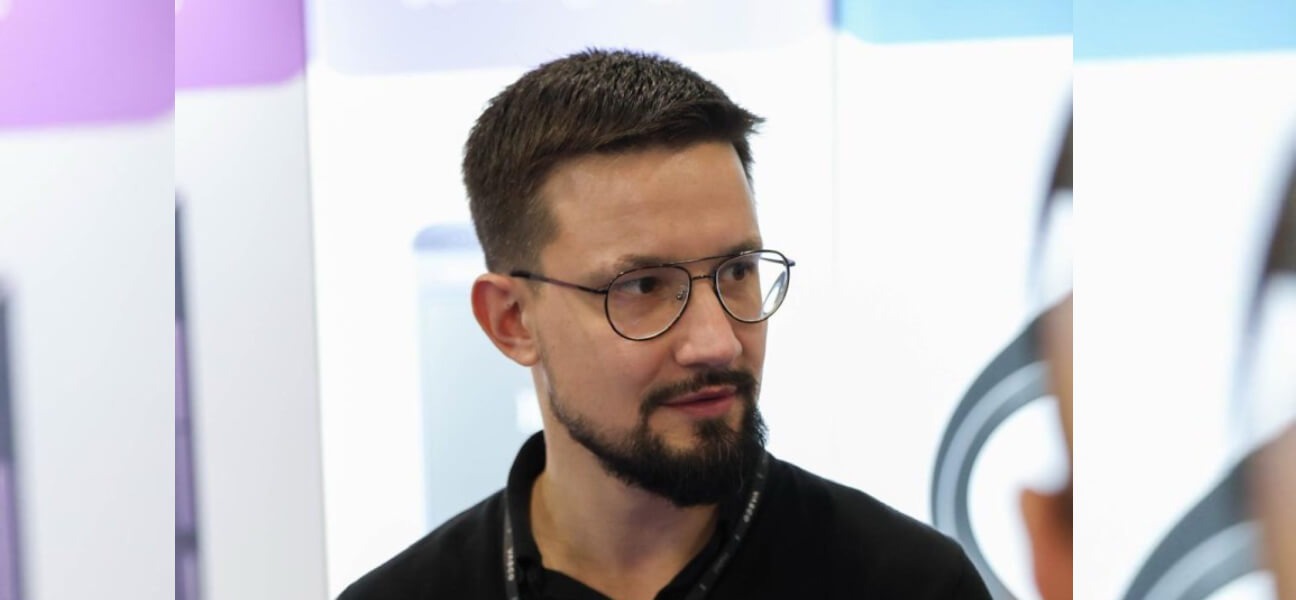
Aleksander Alski is the head of region for the U.S. and Canada at Vasco Electronics, where he leads market growth and strategic partnerships across North America.
This is a contributed piece to Hotel Business, authored by an industry professional. The thoughts expressed are the perspective of the bylined individual.